
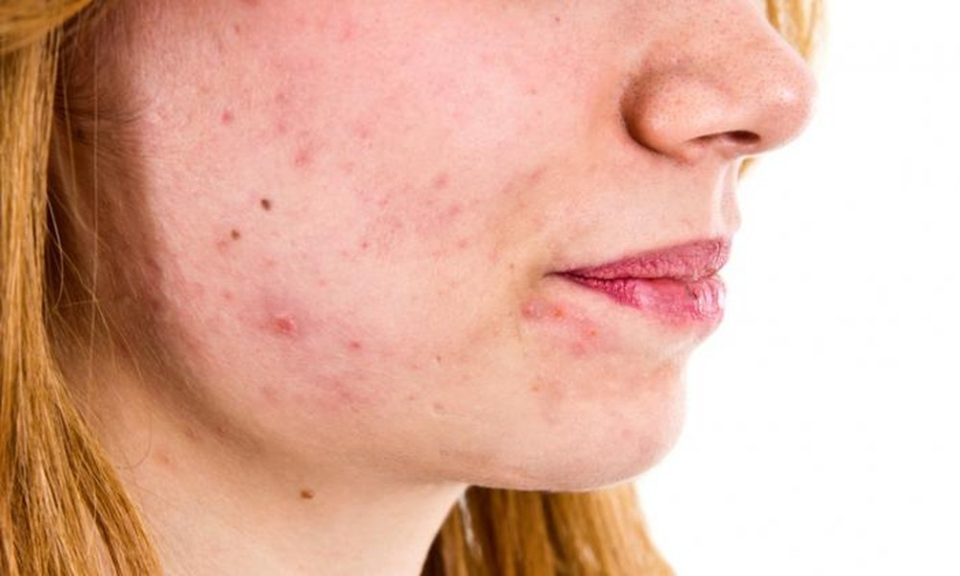
Most people blame oily skin, hormones, or poor skincare habits when acne refuses to go away. While those factors matter, they do not tell the full story. Persistent breakouts often involve a deeper issue happening beneath the skin’s surface: the behavior of acne-causing bacteria.
Many adults and teens spend years switching cleansers, serums, and diets without understanding why inflammation keeps returning. In reality, acne develops through a mix of clogged pores, excess oil production, skin irritation, and bacterial imbalance. When these factors work together, the skin struggles to heal properly.
Dermatologists now focus more on the skin microbiome, which includes the healthy and harmful bacteria living on the skin. This growing understanding has changed how professionals approach long-term acne care. Alongside topical treatments and lifestyle changes, options such as Celluma Red Light Therapy have gained attention for supporting skin recovery through non-invasive light-based technology.
Key Takeaways
- Acne bacteria can trigger long-lasting inflammation beneath the skin
- Persistent breakouts often involve an imbalance in the skin microbiome
- Overusing harsh skincare products may worsen bacterial irritation
- Stress, hormones, and excess oil create ideal conditions for acne
- Light-based therapies may help calm inflammation and support healing
Understanding the Bacteria behind Acne
The bacteria most connected to acne is Cutibacterium acnes, previously called Propionibacterium acnes. This bacteria naturally exists on human skin. In small amounts, it does not cause problems. Trouble starts when clogged pores trap oil and dead skin cells.
Inside blocked pores, bacteria multiply quickly. As the bacteria grow, the immune system reacts with inflammation. That reaction creates redness, swelling, tenderness, and pus-filled pimples.
Not all acne bacteria behave the same way. Research suggests certain bacterial strains trigger stronger inflammatory responses than others. This explains why some people experience severe breakouts while others only develop occasional pimples.
Why Some Breakouts Never Fully Heal
Persistent acne usually develops when inflammation continues under the skin for long periods. Even if surface pimples disappear, microscopic irritation can remain active beneath the pores.
Several daily habits can make this cycle worse:
Over-Cleansing the Skin
Many people scrub their skin aggressively to remove oil. Unfortunately, harsh cleansing strips away protective moisture and weakens the skin barrier. Irritated skin often produces even more oil, creating a better environment for acne bacteria.
Using Too Many Active Ingredients
Combining exfoliating acids, retinoids, and strong acne treatments may overwhelm sensitive skin. Instead of improving acne, excessive irritation can increase redness and prolong healing.
Chronic Stress
Stress affects hormone levels and inflammatory responses throughout the body. Higher stress levels may increase oil production, which gives acne bacteria more fuel inside pores.
Poor Sleep and Diet Habits
Lack of sleep and diets high in processed sugar may contribute to inflammation. While food alone does not directly cause acne, lifestyle habits influence overall skin health.
The Skin Microbiome Matters More Than Ever
Skincare trends once focused only on removing bacteria. Today, experts understand that balance matters more than complete elimination.
Healthy skin contains beneficial microorganisms that protect against irritation and harmful bacterial overgrowth. When the microbiome becomes unbalanced, acne flare-ups may appear more often.
This shift explains why many dermatologists now recommend gentler skincare routines. Supporting the skin barrier helps maintain healthier bacterial balance over time.
Products with ceramides, niacinamide, and non-comedogenic moisturizers often support skin recovery better than overly harsh treatments.
Why Inflammation Leaves Lasting Damage
Acne does not only affect appearance. Ongoing inflammation can weaken collagen and damage deeper layers of skin tissue.
This process increases the risk of:
- Acne scars
- Uneven texture
- Dark spots after breakouts
- Long-term skin sensitivity
Early acne management plays an important role in preventing these long-lasting effects.
Celluma Light Therapy and Acne Support
Some dermatology clinics now include Celluma Red Light Therapy as part of broader acne care plans. This treatment uses specific wavelengths of light designed to support skin healing and reduce visible inflammation.
Red and blue light technology may help calm irritated skin while targeting acne-related bacteria on the surface. Unlike aggressive treatments that dry the skin excessively, light-based therapy focuses on supporting the skin’s natural recovery process.
Many people explore this option alongside dermatologist-guided skincare routines, especially when dealing with stubborn or recurring breakouts.
Building a Smarter Acne Routine
People often expect overnight results from acne products. In reality, healthy skin improves through consistency and patience.
A balanced acne routine usually includes:
Gentle Cleansing
Wash the face twice daily with a mild cleanser that does not strip natural oils.
Consistent Hydration
Hydrated skin maintains a stronger protective barrier. Lightweight moisturizers help reduce irritation caused by acne treatments.
Targeted Ingredients
Ingredients like salicylic acid, benzoyl peroxide, and adapalene may help control breakouts when used correctly.
Professional Guidance
Persistent acne may require support from a dermatologist who can identify underlying triggers and recommend personalized treatment options.
Final Thoughts
Persistent acne involves more than clogged pores or oily skin. Hidden bacterial activity and chronic inflammation often drive the cycle of recurring breakouts.
Understanding how acne bacteria interact with the skin microbiome helps people make smarter skincare decisions. Instead of attacking the skin aggressively, modern acne care focuses on balance, barrier repair, and inflammation control.
With the right routine and professional support, long-term skin improvement becomes much more achievable.
