
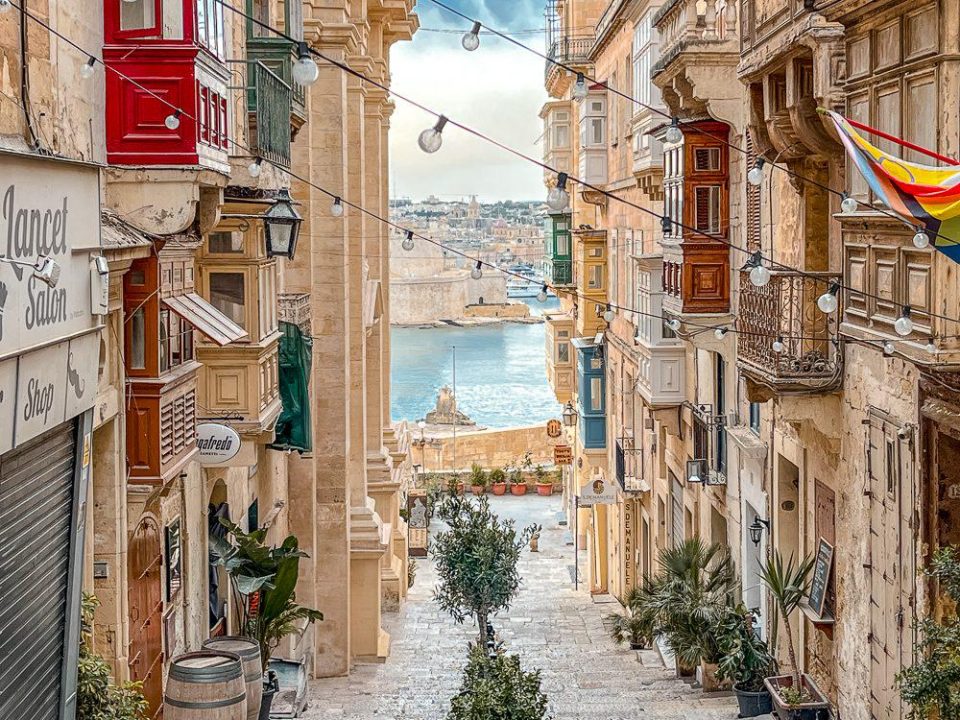
Some cities have the rare ability to transport visitors into the past. Walking their streets feels like stepping into a living museum, where the architecture, cobblestones, and alleyways retain the stories of centuries gone by. For travelers who enjoy connecting with history in a tangible way, these cities offer more than monuments and museums—they provide a sense of immersion that turns sightseeing into an experience of time itself.
Many historic cities owe this quality to careful preservation. Streets remain unchanged, market squares continue to host local trade as they have for generations, and buildings maintain architectural integrity despite the passage of centuries. Each neighborhood offers clues about the people who built it, from the layout of homes and narrow passageways to the materials and decorative details used. By observing these elements closely, travelers can begin to read the history embedded in the urban landscape.
For those seeking both adventure and relaxation, cruises often serve as an excellent way to reach these cities. A Bahamas cruise, for example, might stop at a historic town where colonial architecture has survived hurricanes and modernization. Strolling through the streets, passengers encounter pastel-colored buildings, wrought iron balconies, and centuries-old churches, all set against the backdrop of sunlit harbors. Even a brief visit allows travelers to feel the rhythms of life that have persisted for generations, from morning market routines to evening gatherings in public squares.
The appeal of these cities often lies in the contrast between the preserved historical core and the surrounding modern life. Shops, cafés, and galleries cater to contemporary tastes while respecting the architectural heritage. Walking through a city in this way allows travelers to appreciate the layers of history: the original design and function of spaces, the modifications introduced over time, and the living culture that continues within these walls. The juxtaposition enhances the sense of continuity and makes history feel immediate rather than distant.
Architecture is a particularly revealing lens through which to experience these cities. From colonial fortresses and medieval walls to Baroque facades and neoclassical town halls, each style tells a story about the political, economic, and cultural influences that shaped the city. Even residential streets provide insight; the size and layout of homes, the ornamentation on doors and windows, and the spatial organization of neighborhoods reflect social hierarchies, family life, and community priorities. Observing these details encourages travelers to consider the people who lived there, their challenges, and their achievements.
Art, whether public or private, complements architecture in telling a city’s story. Statues, murals, and sculptures often commemorate significant events or notable figures, providing context for the structures around them. Churches, government buildings, and civic spaces frequently contain frescoes, mosaics, and reliefs that illustrate historical narratives. Even subtle decorative motifs on doorways, windows, or railings can offer clues about trade, cultural exchange, and local craftsmanship. Experiencing art in its original setting enhances understanding in ways that reproductions or photographs cannot.
Walking tours provide an excellent way to navigate these historic cities. Guided tours offer insight into architectural features, anecdotes about former residents, and historical context that may not be immediately visible. However, self-guided exploration has its own rewards. Moving at a personal pace allows travelers to linger at a favorite spot, notice small details, and engage with the city in an unstructured way. Pausing in a quiet square, watching daily life unfold, or sampling local cuisine creates moments of connection that make history feel alive.
Markets, cafés, and waterfronts often retain the energy of their historical function. In many cities, ports continue to host trade much as they did centuries ago, though the goods may differ. Wandering through these spaces provides insight into the economic and social life of the past. Even the act of sitting in a café overlooking a harbor can evoke centuries of commerce and travel, especially when passengers arrive as part of a cruise itinerary that links multiple destinations. A Bahamas cruise, for instance, may offer glimpses of colonial trade architecture and local maritime culture, blending leisure with historical discovery.
Seasonality influences how travelers experience these cities. Visiting in the off-season often allows for quieter streets, more leisurely exploration, and opportunities to observe daily routines without crowds. Peak seasons, on the other hand, bring energy and festivals that illuminate contemporary culture while celebrating historical roots. Timing a visit thoughtfully ensures that travelers can enjoy both the architecture and the living culture, experiencing the city in its fullest dimension.
Engaging with locals adds another layer of depth. Artisans, shopkeepers, and guides often share stories passed down through generations, providing insight into traditions, construction methods, and community life. Conversations reveal how history continues to influence contemporary culture, making it clear that these cities are not frozen relics but living entities shaped by their past. Travelers who take time to listen, ask questions, and observe will find a more nuanced understanding of the city’s heritage.
Ultimately, walking through cities that feel frozen in history is about more than sightseeing. It is about immersing oneself in a continuum of human experience, where streets, buildings, and public spaces carry the weight and richness of centuries. A well-planned cruise can provide access to multiple such destinations, allowing travelers to compare and contrast different historical influences, architectural styles, and cultural practices. Between excursions, the ship offers a place to rest, reflect, and anticipate the next exploration, creating a rhythm that enhances the overall experience.
For travelers seeking a meaningful encounter with the past, these cities offer a rare combination of preservation, accessibility, and vibrancy. From sunlit harbors to narrow alleys and bustling markets, every corner offers a story, every structure a lesson in resilience and creativity. Cruises provide a convenient platform for experiencing multiple historic towns while enjoying the comfort and leisure that make extended exploration enjoyable. Walking through these streets, visitors discover the intricate interplay between architecture, culture, and daily life, gaining insights that remain long after the journey ends.
In the end, the magic of cities that feel frozen in history lies in their ability to make the past tangible. The stone walls, timbered buildings, and quiet squares allow travelers to imagine the lives of those who walked the same streets centuries ago. By approaching these cities with curiosity, patience, and an openness to observation, every visit becomes a journey through time, revealing the enduring stories of human endeavor, community, and creativity.
