
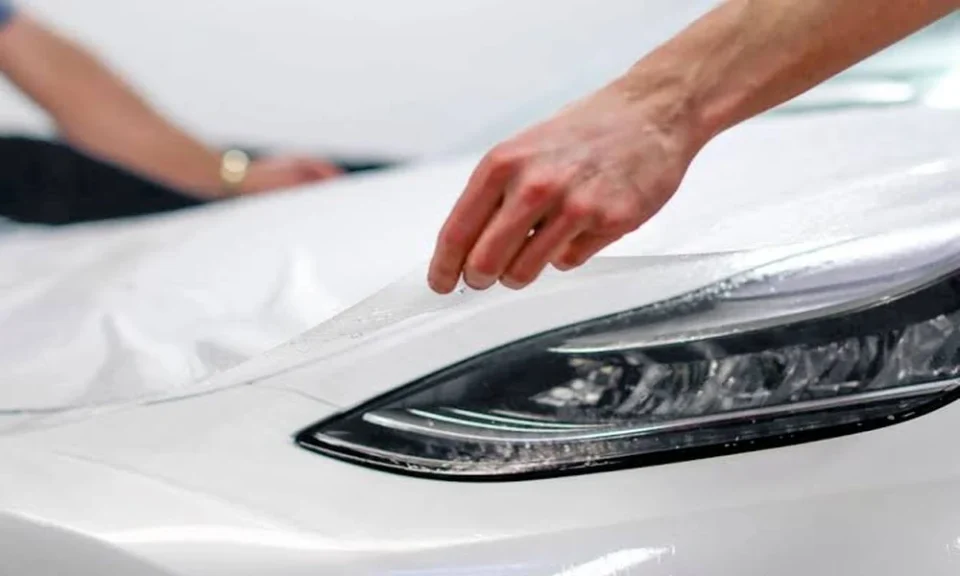
Fresh paint can lose its finish through ordinary driving. Gravel, road grit, and loose debris create tiny impacts daily. Quality paint protection film San Leandro applications help preserve vulnerable panels from this wear. The right film absorbs impact energy while maintaining surface clarity. Coverage choices also matter, especially around bumpers and hood edges. With proper installation, PPF becomes a practical barrier against routine road damage.
PPF Creates A Tough Surface Barrier
Paint protection film uses a flexible, transparent layer over painted panels. That layer absorbs minor impacts before reaching the clear coat. Small stones can chip exposed paint during highway travel. PPF reduces direct contact between debris and finished surfaces. Its smooth exterior also helps resist scuffs from road grime.
- Flexible film absorbs light impact energy.
- Clear material preserves the painted appearance.
- Smooth surfaces shed loose contaminants more easily.
- Proper coverage protects high-contact exterior zones.
Which Panels Face The Most Debris?
Front-facing areas receive the harshest punishment during normal driving. Bumpers, hoods, mirrors, and fender edges collect frequent impacts. Highway speeds increase the force carried by loose stones. Urban routes create different risks through construction grit and sand. Strategic coverage therefore protects the areas most exposed.
Why Does Film Thickness Matter?
Film thickness affects how well PPF handles repeated impacts. Thicker material can provide greater resistance against chips. However, flexibility remains important around curved automotive panels. A balanced specification supports protection without creating awkward installation lines. For paint protection film San Leandro, professional selection helps match film characteristics with vehicle use.
Installation Quality Controls Real Protection
Even premium film cannot compensate for poor application. Dust beneath the material can create visible imperfections and weak points. Accurate panel preparation allows adhesive contact across the surface. Skilled installers also wrap suitable edges for stronger coverage. Careful alignment keeps seams discreet around complex body contours.
Can PPF Reduce Everyday Repair Needs?
PPF cannot prevent every mark or collision-related defect. It can, however, reduce damage from routine road debris. That difference matters for vehicles driven frequently on rough routes. Preserved paint can also simplify future detailing and cosmetic maintenance. When chips become less common, touch-up work becomes less frequent.
Front-End Coverage Changes Long-Term Appearance
A protected front bumper faces countless small impacts over time. Without protection, repeated chips can make paint look prematurely aged. With PPF, those impacts meet a sacrificial surface first. The deeper value comes from controlling cumulative wear. A vehicle that avoids dozens of tiny chips can retain cleaner body lines for longer.
FAQs
What does PPF protect against?
PPF helps defend painted surfaces against gravel, grit, light scuffs, and minor road debris impacts. It serves as a sacrificial protective layer over vulnerable paint.
Which vehicle areas benefit most from PPF?
Front bumpers, hoods, mirrors, and fender edges face frequent debris contact. These panels commonly receive priority during coverage planning.
Does thicker PPF always provide better protection?
Not necessarily, because flexibility also affects installation quality and panel coverage. Film selection should balance impact resistance, conformity, and visual clarity.
Can PPF prevent all paint damage?
No protective film can stop every type of damage. PPF specifically helps reduce routine surface wear from everyday road exposure.
