
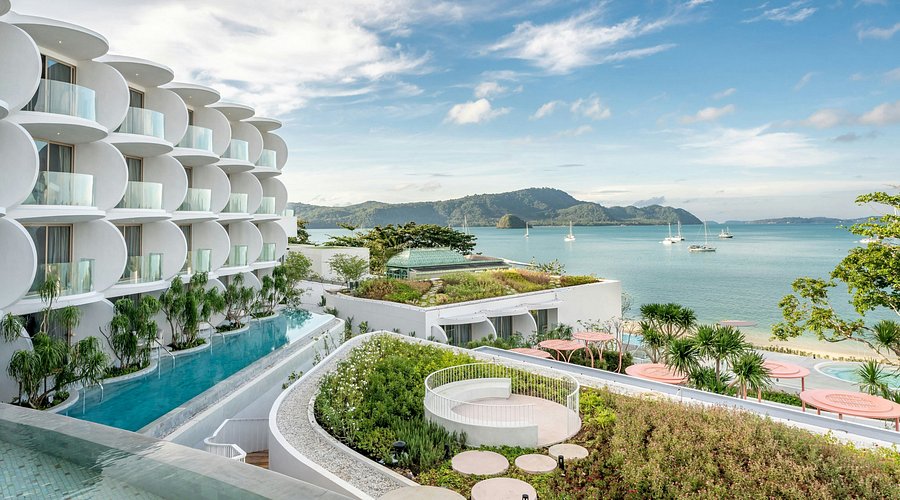
Quietly curated interiors now redefine seclusion through thoughtful architectural layering methods. Refined surroundings support privacy through controlled access and thoughtful zoning arrangements. Modern luxury favours discretion through subtle cues rather than overt display signals. Design philosophy emphasizes personal domain protection through intentional spatial boundaries. Such refined planning appears clearly within 5 star hotels in Phuket today.
Secluded spatial planning for elite privacy
Carefully arranged layouts protect solitude through intentional separation techniques. Flow patterns discourage interruption while maintaining effortless internal movement.
Controlled access design for personal zones
Entry management enhances exclusivity through limited visibility pathways. Selective transitions preserve security while supporting ease throughout enclosed environments.
Architectural screening elements enhancing isolation
Visual shielding supports discretion through elegant structural additions. Screens provide separation while maintaining an openness perception.
- Perforated panels allow light passage without direct visual exposure.
- Vertical fins restrict sightlines across sensitive interior areas.
- Textured glass surfaces obscure views while admitting natural illumination.
- Strategic greenery placement blocks observation from adjacent zones.
- Layered drapery systems enable flexible privacy control options.
Sound management reinforcing private environments
Acoustic planning safeguards tranquility through advanced material application. Sound isolation supports uninterrupted personal moments consistently.
- Dense wall compositions minimize noise transfer between adjoining spaces.
- Soft surface finishes absorb ambient disturbances effectively indoors.
- Ceiling insulation reduces overhead sound infiltration risks.
- Door sealing technology prevents corridor noise penetration incidents.
- Spatial distance planning lowers acoustic overlap naturally.
Lighting control for intimate surroundings
Illumination design enhances seclusion through adjustable intensity systems. Light zoning supports privacy without visual enclosure.
- Dimmable sources allow personal control over brightness levels.
- Indirect lighting prevents exposure through reflective glare surfaces.
- Layered fixtures define zones without physical partitions.
- Warm tonal balance reduces attention-drawing contrasts indoors.
- Concealed luminaires protect the atmospheric consistency across private rooms.
Material selection for refined exclusivity
Surface choices influence the perception of personal territory strongly. Textures convey discretion through tactile restraint principles.
- Matte finishes reduce reflection, revealing movement across interiors.
- Natural fibers soften acoustics while supporting visual subtlety.
- Dark-toned materials enhance enclosure perception effectively.
- Seamless joints prevent attention diversion from private surroundings.
- Durable surfaces maintain integrity without frequent maintenance disturbance.
Future exclusivity trends addressed the FAQ thoughtfully FAQ
Evolving design prioritizes adaptive privacy solutions increasingly. Flexibility supports changing expectations without compromising discretion. Human-focused planning drives upcoming refinement directions.
Enduring Distinction
Refined seclusion emerges through deliberate planning rather than visible opulence signals. Design intelligence safeguards personal domains while maintaining understated sophistication. Future luxury will favour restraint, responsiveness, and thoughtful boundary creation. Such direction ensures lasting appeal through discreet environments. This philosophy defines elevated standards across 5 star hotels in Phuket.
